
How to spot adulterated milk
Milk adulteration is a real and old problem in India. Because milk is liquid and pooled across many sources, it is easy to stretch and hard to inspect once it reaches you. This guide covers the common adulterants, a few simple checks you can do at home, and the honest limits of those checks.
Why milk gets adulterated
Milk is valuable, perishable, and easy to dilute, which makes it a target. The most common move is simply adding water to stretch volume. Beyond that, various substances have been used to mask the dilution or to fake the look and feel of richer milk.
The deeper reason it persists is the supply chain. When milk is pooled from hundreds of unnamed sources, no single person is accountable for any one drop. Adulteration hides comfortably inside that anonymity, which is exactly why traceability matters as much as testing.
Common adulterants to know about
Added water is the most widespread and the least harmful in itself, though it robs you of nutrition you paid for. Starch is sometimes added to thicken watered-down milk. Detergent or soap has been used to create a false creamy froth. Synthetic or reconstituted ingredients have been used to fake solids.
We are sharing these so you understand the landscape, not to alarm you. The presence of a problem in the wider market is a reason to ask where your milk comes from, not a reason to fear all milk. The fix is knowing your source, not memorising a list of poisons.
Simple checks you can do at home
A few kitchen checks give rough signals. Pure milk usually leaves a faint white trail when a drop slides down a slanted clean surface, while heavily watered milk runs off fast leaving little behind. A drop of milk that froths a lot when shaken can hint at detergent. A starch test using a drop of iodine turning blue suggests added starch.
These are indicators, not proof. They are crude, they can mislead, and they cannot detect every additive or tell you anything at all about where the milk came from. Treat them as a curiosity and a first nudge, never as a lab result.
Why traceability beats any home test
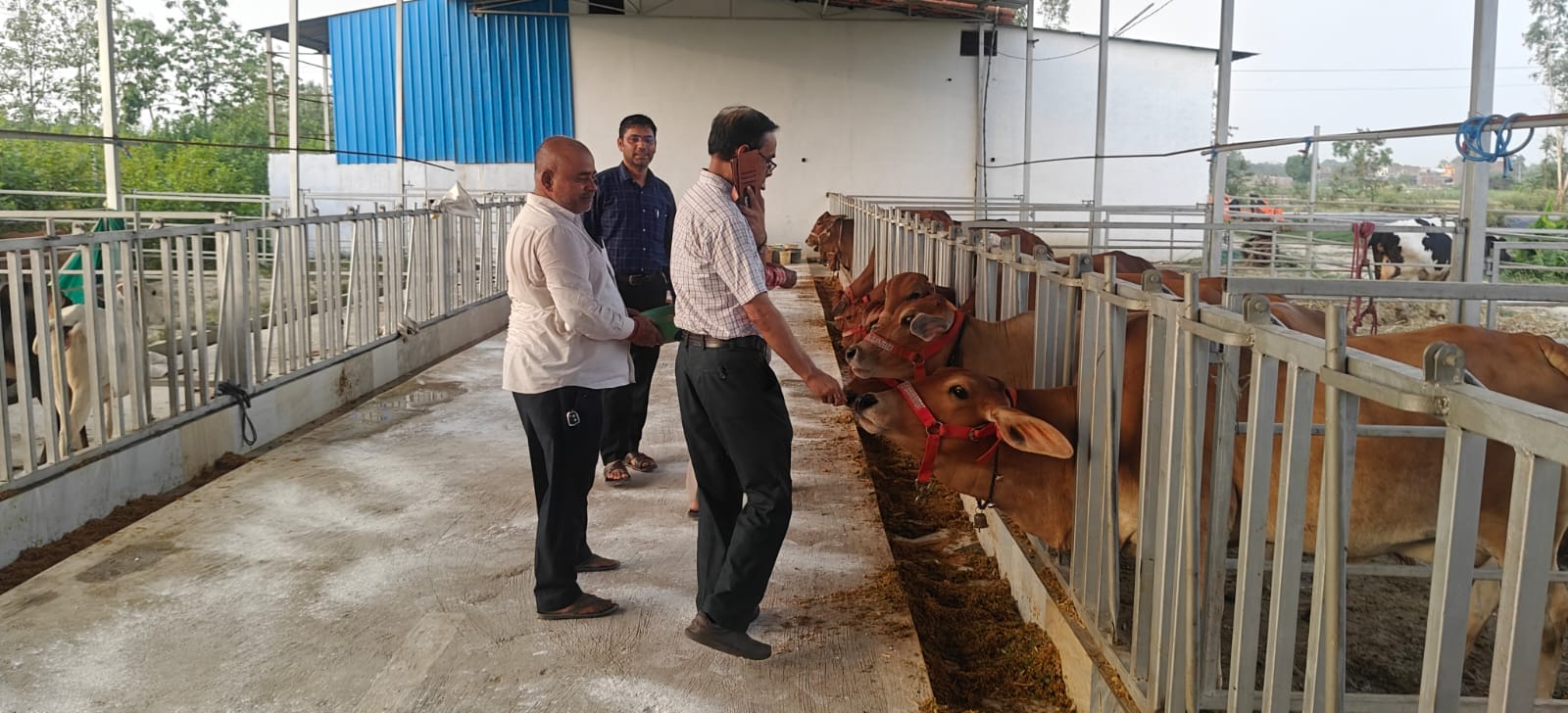
The most reliable protection is not a kitchen trick. It is knowing the named farm your milk came from, that it travelled as a named-farm batch, and that the batch was quality checked before packing. A test you run after the fact can only react. A traceable, checked supply chain prevents the problem upstream.
This is the whole reason PYAAS keeps milk traceable to named farms with per-batch quality checks. Our own-brand milk is in limited trial in Lucknow, and the example you can hold today is our Pure Cow Ghee, made and checked the same way. The principle is constant, you should be able to ask where this came from and get a real answer.
Frequently asked questions
Can I test milk for adulteration at home?
You can run rough checks, like the slip test for added water, a froth check that can hint at detergent, and an iodine test for starch. They are indicators only and cannot replace lab testing.
What is the most common milk adulterant?
Added water is by far the most common. It is used to stretch volume and quietly reduces the nutrition you are paying for.
Do home tests tell you where the milk came from?
No. Home checks say nothing about the source. That only comes from a traceable, named-farm supply chain with a batch code you can check.
How does PYAAS protect against adulteration?
We keep milk traceable to named farms from named farms and will quality-check every batch before packing, so problems are prevented upstream rather than caught after the fact.
Taste the part we have already launched.
Our milk is in limited trial, but our Pure Cow Ghee is made and buyable today, from our named Gonda farms and checked for purity every batch.
Shop PYAAS Pure Cow Ghee