What sustainable dairy really means
Sustainable is one of the easiest words to print and one of the hardest to live up to. In dairy it has to mean more than a green leaf on a carton. This guide breaks down what sustainable dairy actually involves across animal welfare, farmer livelihoods, and land, and where the honest trade-offs sit.
More than a green label
Sustainability in dairy is not one thing. It spans how the cows are kept, whether the farmers earn a fair and stable living, and what the farming does to soil, water, and emissions over time. A practice that is kind to cows but ruins the farmer, or good for the land but cruel to animals, is not actually sustainable.
Because it pulls in several directions at once, real sustainability is a balance rather than a badge. Any brand claiming to have it all perfectly solved deserves a raised eyebrow. The honest version is a set of deliberate choices, each with a cost.
Cows, farmers, and fair pay
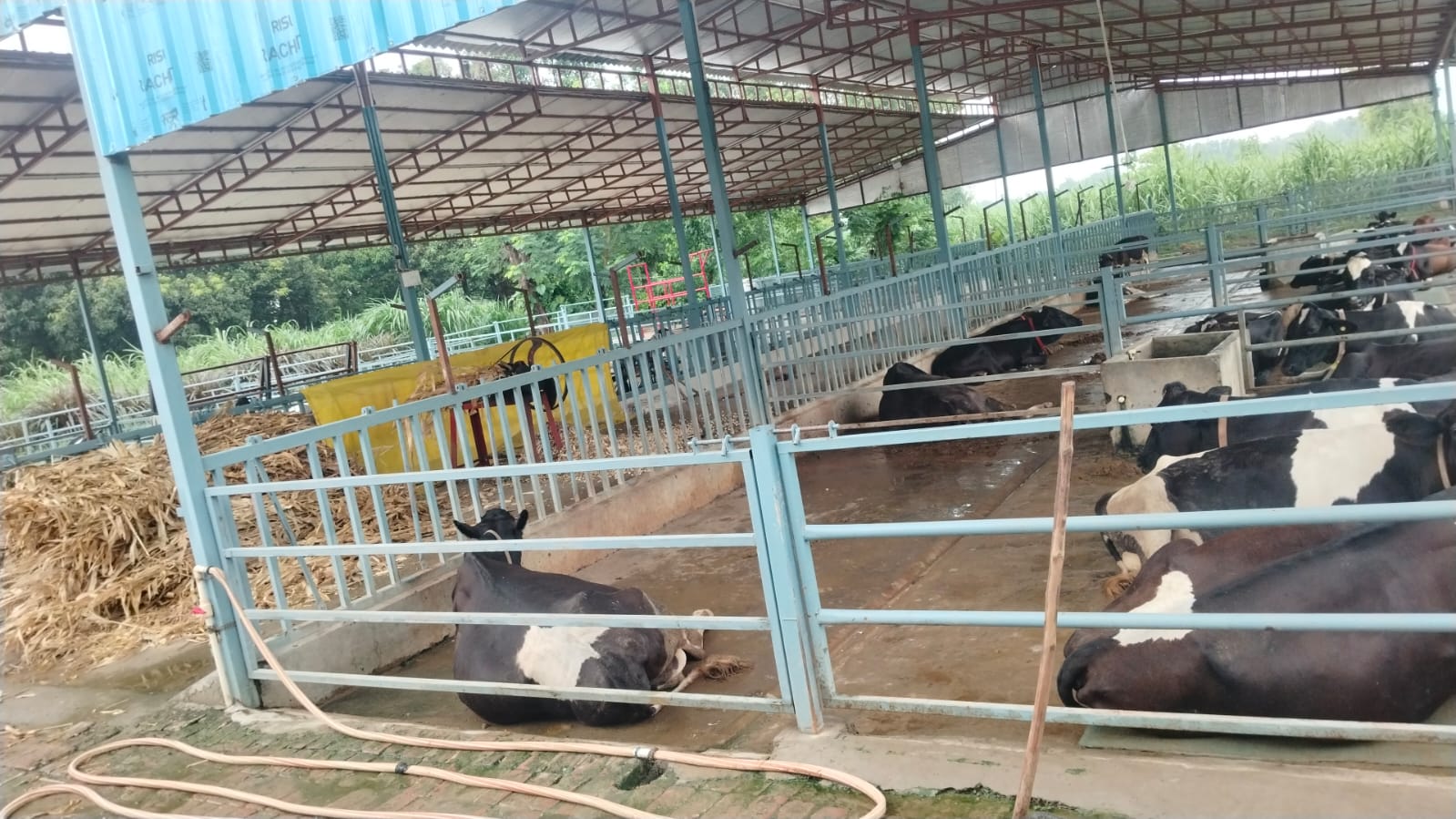
Animal welfare is the part people picture first, herds that are not pushed to extreme yields, that have space and decent care. It matters in its own right, and a herd small enough to be counted tends to be a herd someone is actually looking after.
The quieter half is the farmer. Dairy is only sustainable if the people doing the work are paid fairly and reliably enough to keep doing it well. Working with named partner farms, rather than squeezing an anonymous pool for the lowest price, is part of how that fairness becomes real instead of a slogan.
Land, scale, and honest trade-offs
Dairy has a genuine environmental footprint, from feed and water to emissions. Pretending otherwise is greenwashing. The honest aim is to reduce harm with practical choices, not to claim zero impact.
There is also a trade-off with scale. Keeping milk traceable to named farms limits how fast you can grow and how cheaply you can sell. Blending everything together is faster and cheaper, but it erases accountability. We accept the slower path because it keeps the system honest, and we would rather tell you that plainly than dress it up.
How to tell real from greenwashing
Greenwashing leans on vague imagery, lush stock fields, and feel-good words with nothing specific behind them. Real practice names things, the farms, the owners, the choices, and is willing to admit what it has not solved yet.
So ask for specifics. Which farms, who owns them, how many cows, how are farmers paid, what is the brand honest about not having fixed. At PYAAS the answer is four named partner farms in Gonda, each with a named owner, a total herd of 155 cows giving about 1,197 litres a day, and named-farm batches, with our milk in limited trial and our ghee already made this way. Specifics you can check are the difference between a value and a sticker.
Frequently asked questions
What does sustainable dairy actually mean?
It means dairy that is fair to cows, to farmers, and to the land at the same time. It is a balance of deliberate choices, not a single label.
Is dairy bad for the environment?
Dairy has a real footprint from feed, water, and emissions. Honest sustainability is about reducing harm with practical choices, not claiming zero impact.
How can I spot greenwashing in dairy?
Watch for vague green imagery and feel-good words with no specifics. Real practice names farms, owners, and choices, and admits what it has not solved.
How does PYAAS approach sustainability?
We work with four named partner farms in Gonda, each with a named owner, and keep milk traceable to those farms, accepting slower, costlier growth in exchange for accountability.
Taste the part we have already launched.
Our milk is in limited trial, but our Pure Cow Ghee is made and buyable today, from our named Gonda farms and checked for purity every batch.
Shop PYAAS Pure Cow Ghee