Toned Milk vs Full Cream Milk: Which One Should You Choose?
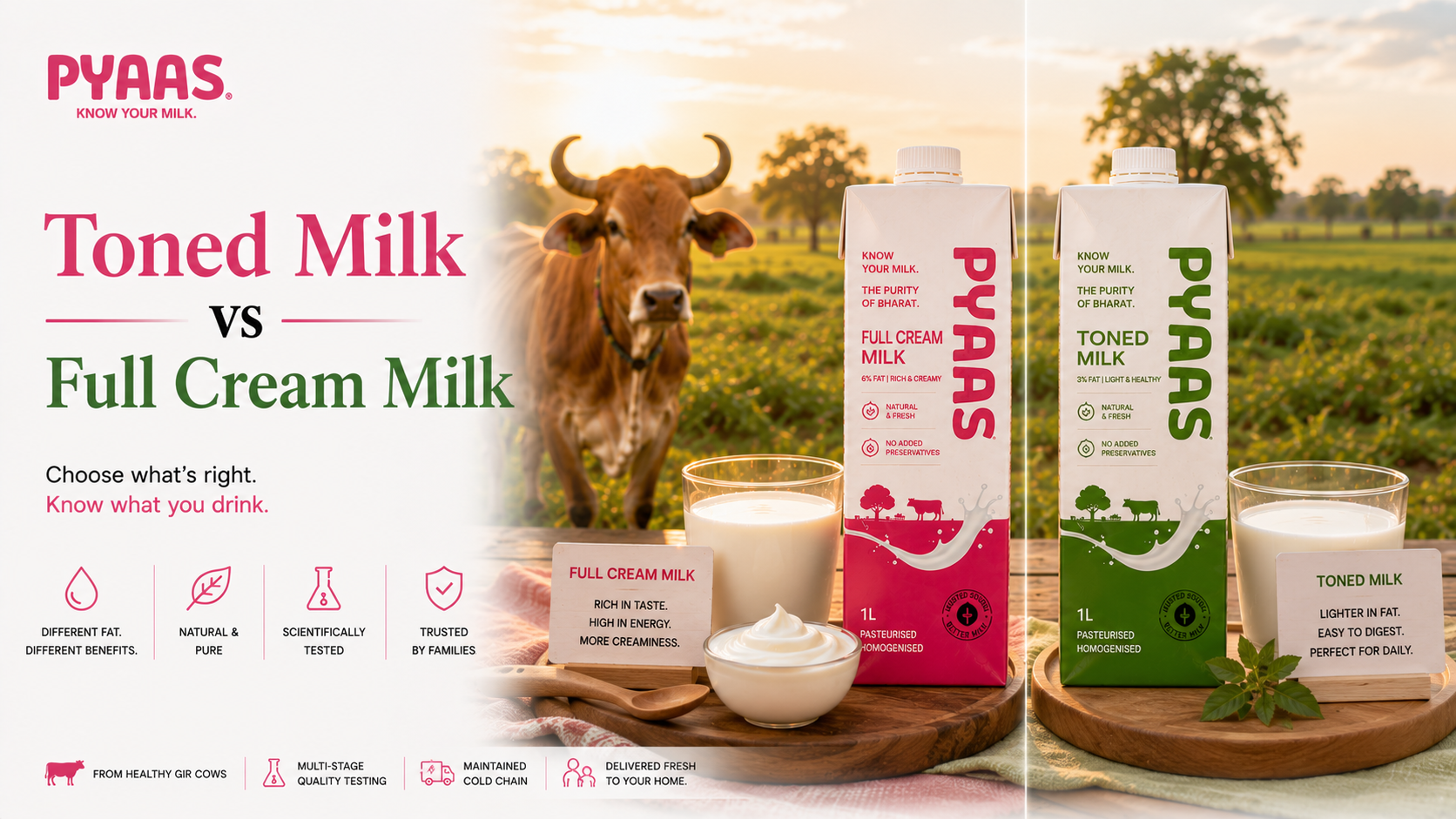
Stand in front of any dairy shelf in India and the choices come fast: full cream milk, toned milk, double toned milk and skimmed milk, each in its own coloured pack. For most families, the real decision comes down to two of them. Toned milk versus full cream milk is one of the most common questions Indian households face, and the honest answer is that it depends on who is drinking it, what you are cooking, and how much you care about where the milk actually came from.
This guide breaks down the difference between toned and full cream milk in plain language: what each one is, how their fat content compares, who they suit best, and why the category printed on the carton matters far less than the quality and traceability behind it. By the end, you will know exactly which milk fits your family, and what to look for so you never have to guess again.
What Is Full Cream Milk?
Full cream milk retains a higher percentage of its natural milk fat, which is what gives it that rich mouthfeel and slightly sweet, creamy taste. In India, full cream milk typically carries the highest fat and solids content among standardised milk types, which is why it feels heavier and more satisfying in a glass.
Families tend to reach for full cream milk when they want:
- Richer tea and coffee that does not turn thin or watery.
- Better results in sweets and desserts like kheer, payasam and homemade paneer.
- More energy density, which can suit growing children and active adults.
- A fuller, creamier glass for those who simply prefer the taste.
Because it is calorie dense, full cream milk is loved in households where milk does a lot of heavy lifting, from the morning chai to the evening dessert. If you want to understand the nutritional side in more detail, our deep dive into full cream milk benefits walks through exactly why so many families prefer rich, creamy milk.
What Is Toned Milk?
Toned milk is produced by adjusting the fat content of milk while keeping the other nutritional qualities you expect, such as protein and calcium, largely intact. The process reduces the fat compared to full cream milk, giving you a lighter glass that still tastes and behaves like real milk.
Toned milk has become the everyday default in a huge number of Indian homes, and it is easy to see why it offers:
- Lower fat and fewer calories per glass, which appeals to anyone watching their intake.
- A lighter taste that many people prefer for plain drinking milk.
- Everyday versatility for tea, cereal, curd and general cooking.
- Good value for households that get through a lot of milk each week.
For families with adults managing weight, cholesterol or simply preferring something less heavy, toned milk is often the practical pick for daily use.
Toned Milk vs Full Cream Milk: The Real Difference
The primary difference between toned milk and full cream milk lies in fat content. Full cream milk keeps more of its natural fat, while toned milk has it reduced. That single change ripples out into everything you notice in the glass and the pan.
Here is how that difference shows up in daily life:
- Taste and texture: full cream is richer and creamier, toned is lighter and cleaner.
- Calories: full cream is more energy dense, toned is leaner per serving.
- Cooking performance: full cream gives better body to sweets and gravies, toned works fine for everyday tea and cereal.
- Best suited for: full cream often suits growing children and richer recipes, while toned suits adults looking to keep calories in check.
What stays the same is that both are genuine milk. Neither is automatically better. The right answer is the one that matches the person drinking it. To see how fat sits alongside protein, calcium and other components, it helps to read what is really inside your glass in our breakdown of milk nutrition facts.
Which One Should You Choose?
There is no universal winner. The ideal choice depends on a few honest questions about your household.
Choose full cream milk if:
- You have growing children who need extra energy and richness.
- You make a lot of milk-based sweets, paneer or thick gravies.
- You simply love a creamier, fuller-tasting glass and chai.
Choose toned milk if:
- Adults in the home are watching calories, weight or cholesterol.
- You want an everyday, lighter milk for tea, cereal and curd.
- You get through large volumes and want a leaner option.
Many families actually keep both, using full cream for cooking and toned for daily drinking. If you are choosing for little ones specifically, our parent's guide to choosing quality milk for children goes deeper into what matters at each age.
The Factor That Matters More Than the Category
Here is the part most people overlook. Consumers spend a lot of energy debating toned versus full cream, while paying far less attention to the thing that actually shapes their experience: where the milk comes from and how fresh and clean it is.
A creamy full cream milk from an unknown, mixed supply chain can still be watered down, stale or adulterated. A toned milk from a single, named farm with proper testing will almost always serve your family better. Before worrying about fat percentage, the smarter questions are:
- Freshness: how quickly did the milk reach you after milking?
- Source: do you know the farm and the breed of cow?
- Testing: is the milk checked for purity, SNF and fat?
- Traceability: can you actually verify any of this, or are you just trusting a label?
Modern Indian consumers increasingly want real answers, not marketing. This shift is exactly why traceable milk is becoming one of the biggest differentiators in dairy. If you also care about whether your milk is A1 or A2, our explainer on what A2 milk is, its benefits and myths is worth a read alongside this one.
How PYAAS Approaches This
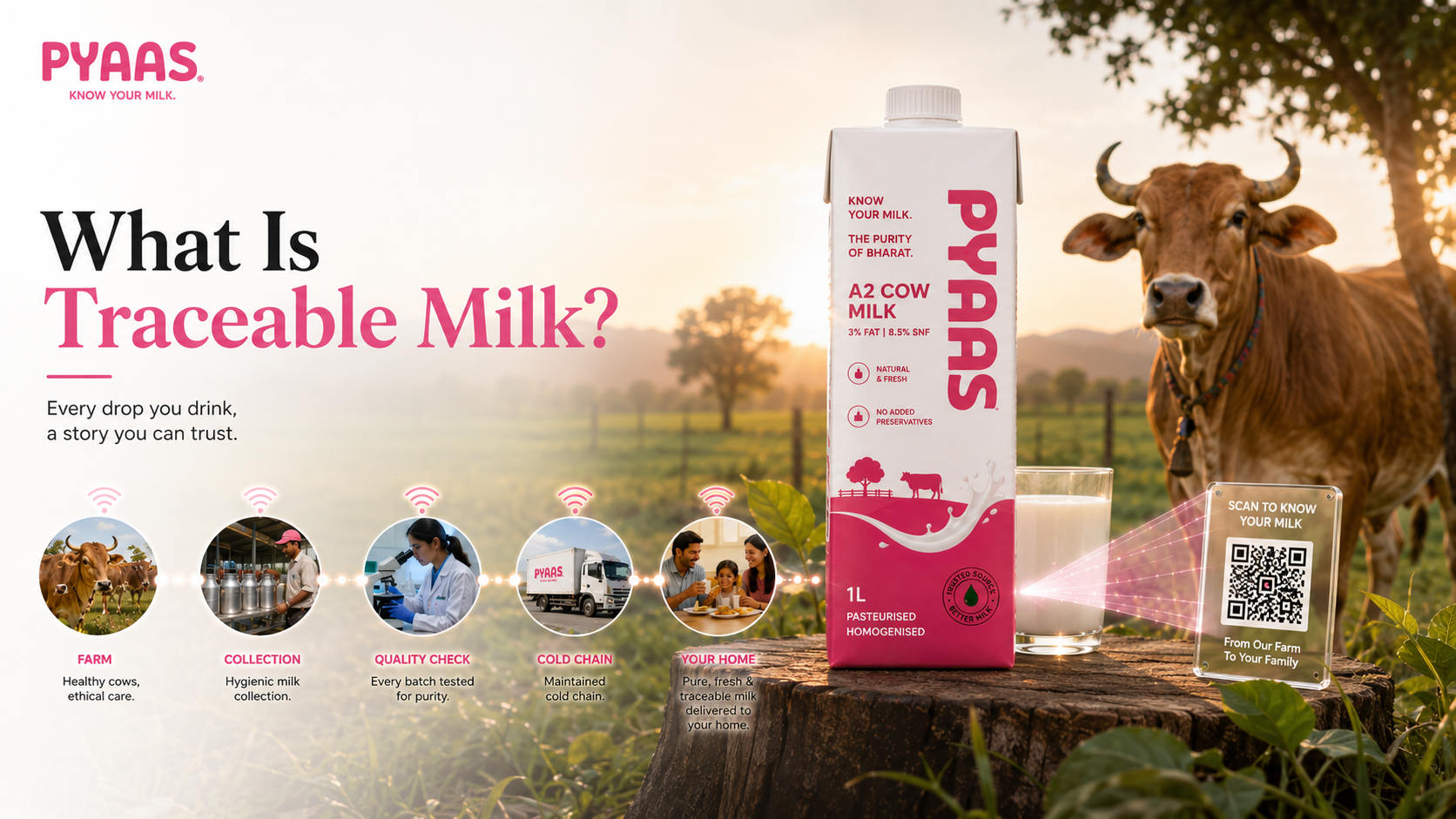
At PYAAS, we believe a family deserves complete confidence in every glass, whether they choose toned milk or full cream milk. Our milk is single-origin A2 cow milk from named farms in Gonda, Uttar Pradesh, delivered fresh across Delhi NCR, Lucknow and Ayodhya.
The difference is that you do not have to take our word for it. Scan the QR code on the pack and you can see the exact farm, the named farmer, that batch's lab test for SNF and fat, and the time the milk left the farm. That is what we mean by our promise to Know Your Milk. The same care extends to our small-batch A2 Bilona ghee, made the traditional way from the same traceable milk.
So choose toned or full cream based on your taste and your family's needs. Both are good options. Just make sure that whichever you pick, you actually know your milk, because freshness, purity and honesty about the source matter far more than the colour of the cap. When you are ready, we would love to show you what fully traceable dairy feels like.
Written by
PYAAS Team
The PYAAS Team writes about milk, ghee and dairy transparency to help Indian families understand exactly what is in their glass and where it comes from.
More from PYAAS TeamCommon questions.
What is the main difference between toned milk and full cream milk?
The primary difference is fat content. Full cream milk retains more of its natural milk fat, giving it a richer, creamier taste and texture. Toned milk has reduced fat, making it lighter and lower in calories while keeping protein and calcium largely intact.
Is toned milk healthier than full cream milk?
Neither is automatically healthier. Toned milk is lower in fat and calories, which can suit adults watching weight or cholesterol. Full cream milk is more energy dense, which can suit growing children and active people. The right choice depends on who is drinking it and what you are cooking.
Which milk is better for children, toned or full cream?
Many families prefer full cream milk for young, growing children because of its higher energy and richness. That said, the most important factors are freshness, purity and a known source. Always choose milk you can trust before worrying about the fat percentage.
Can I use toned milk for tea, sweets and cooking?
Yes. Toned milk works well for everyday tea, cereal, curd and general cooking. For richer sweets, paneer and thick gravies, full cream milk gives more body and a creamier result. Some families simply keep both for different uses.
Does the milk category matter more than where the milk comes from?
No. Freshness, purity and source matter more than whether milk is toned or full cream. A toned milk from a single, named farm with proper testing often serves a family better than full cream milk from an unknown, mixed supply chain. This is why traceability is so valuable.
Get the next one in your inbox.
The occasional note on milk, ghee, and how we work. Plain words, no hype, and you can leave any time.
Keep reading.
Full Cream Milk Benefits: Why Many Families Prefer Rich, Creamy Milk
13 July 2026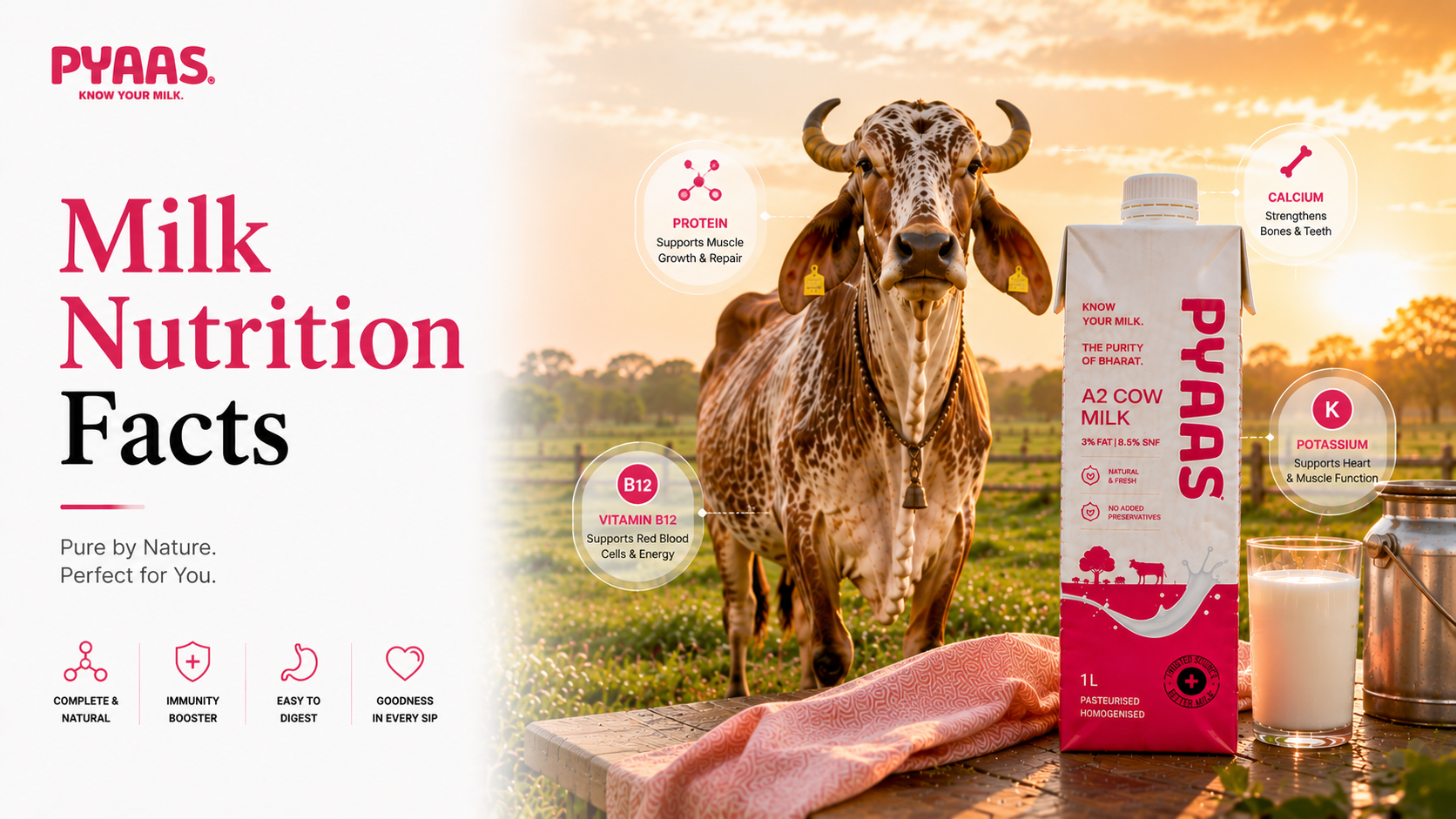
Milk Nutrition Facts: What Is Really Inside Your Glass of Milk?
12 July 2026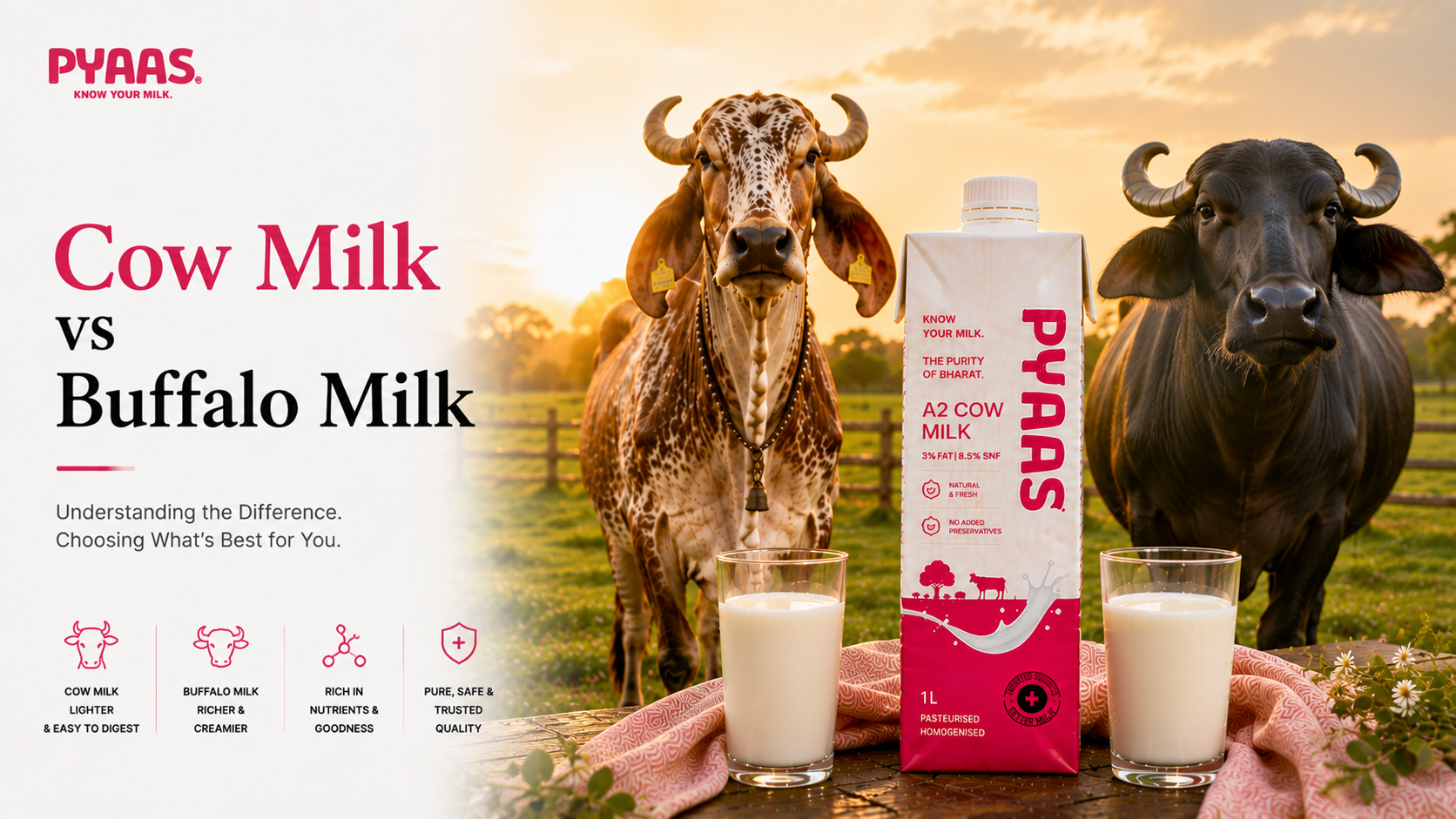
Cow Milk vs Buffalo Milk: Understanding the Key Differences
12 July 2026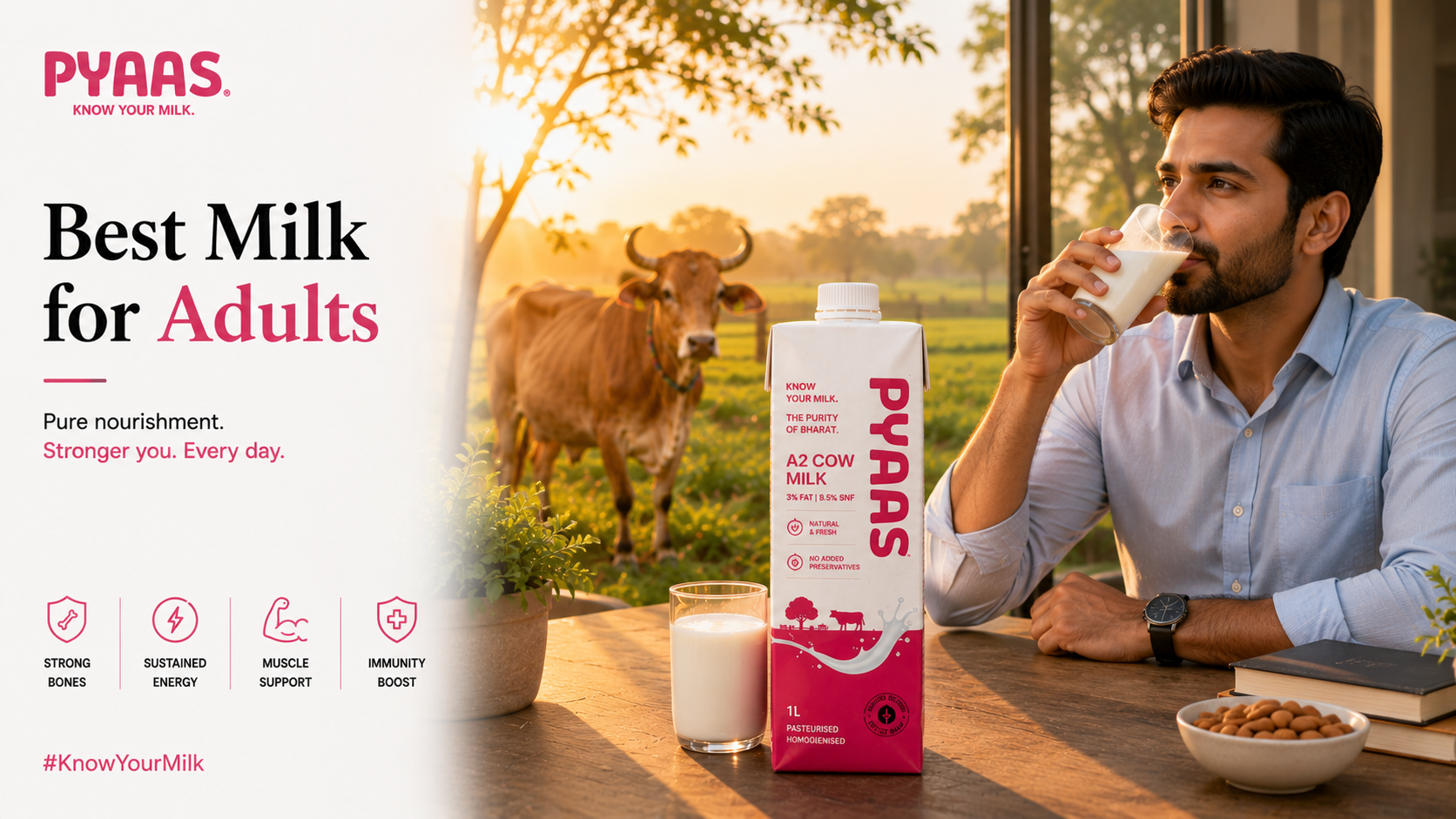
Best Milk for Adults: What Should You Look For?
6 July 2026